Open-plan offices altered work environment dynamics in more methods than simply acoustics and personal privacy. Odors, aerosols, and indoor air quality problems now spread further and quicker than they performed in the age of closed doors and high partitions. When vaping moved indoors, many companies found their policies and building systems had actually not kept up.
Most employers already forbid smoking. Yet vaping with an electronic cigarette typically slips through the fractures: it leaves less odor, it does not constantly activate a smoke detector, and it can be tough to implement without specific rules or technology. In dense, open-plan designs, a single person frequently vaping at their desk can affect lots of colleagues who never ever granted breathe in nicotine, THC, or propylene glycol aerosols for 8 hours a day.
Vape detection innovations promise a method to enhance policies without turning managers into corridor authorities. Succeeded, they support employee health and indoor air quality. Done terribly, they harm trust, trigger incorrect alarms, and produce new privacy problems. The distinction is rarely the hardware alone. It is policy style, communication, and mindful integration into existing workplace safety practices.
This is where a thoughtful method matters.
Why vaping in open offices is not an unimportant issue
When vaping first showed up in office settings, lots of leaders framed it as a "less bad than cigarette smoking" issue. That is the incorrect contrast for employers. The right contrast is a workplace that is vape-free and smoke-free, with clean air and healthy staff.
Electronic cigarette aerosols are not just "water vapor." They contain particulate matter in the ultrafine range, unpredictable organic substances, and often nicotine or THC. Numerous research studies have measured indoor air quality in rooms where individuals vape and found elevated fine particles compared to baseline. These particles are small sufficient to reach deep into the lungs of anybody in the area, not simply the person holding the device.
For most healthy grownups, occasional exposure is unlikely to trigger immediate damage. However work environments are not about periodic exposure. They are about duplicated, day-in, day-out exposure, frequently for several years. You do not constantly know which workers have asthma, are pregnant, handling cardiovascular problems, or recovering from vaping-associated pulmonary injury. HR seldom sees the full health profile of a floor of 200 people; the threat sits quietly till it does not.
On top of health, indoor vaping can:
- Trigger sensitive fire alarm system styles, specifically if individuals exhale directly toward a ceiling sensor. Degrade viewed indoor air quality, resulting in complaints and lower comfort scores. Create equity problems if policies are unevenly implemented throughout functions or departments.
Once you move the lens from "is vaping more secure than smoking?" to "what does a healthy, reasonable work environment look like?", the concern ends up being clear: employers are responsible for managing indoor air dangers under occupational safety principles. That consists of vaping.
Where traditional tools fall short
A lot of business at first attempted to depend on the existing smoke detector network and informal reporting. That normally fails for 3 foreseeable reasons.
First, smoke alarm are created for combustion items, not aerosol detection from a small vape pen. They frequently do not react at all to low to moderate vaping in a larger room. Paradoxically, they might be most likely to set off in a washroom or small phone booth than in the open-plan area where most people sit. You get troublesome, random alarms rather than consistent deterrence.
Second, grievances often come late and selectively. Associates hesitate to report peers, particularly in open groups. When grievances emerge, they may focus disproportionately on visible or less powerful staff, while senior workers who vape quietly in private rooms never bring in attention. That undermines both fairness and trust.
Third, generic indoor air quality displays are handy, however not particular enough by themselves. An air quality sensor that tracks co2, temperature, humidity, and total volatile organic compound levels is fantastic for ventilation planning, however it normally can not say, "somebody vaped nicotine at 10:32 near desk 48." It can show trends and hotspots, yet managers still face a secret criminal offense scene instead of a clear, enforceable incident.
This is the gap specialized vape detector gadgets try to fill.
What vape sensors in fact look for
Vape detectors are not magic nicotine sensors that smell the air like a human nose. They are clusters of sensor technology tuned to get the by-products of aerosol generation. The exact mix differs by maker, but in practice you generally see mixes of:
- Optical particle counters to identify spikes in particulate matter in the very little size varies common to vape clouds. Chemical sensing units that react to specific volatile organic compound signatures associated with e-liquids. Sometimes, machine olfaction algorithms that associate multi-sensor readings with recognized vaping patterns.
Some more advanced gadgets try THC detection or nicotine detection explicitly, but these are still fairly early-stage. Many gadgets utilized in workplaces today work probabilistically: they presume vaping from a particular profile of particulate matter and VOC modifications over a period of seconds or minutes.
A few crucial points from genuine releases:
You will not get courtroom-level certainty. Vape detectors, like any environmental sensing unit, handle possibility. False positives can be reduced however not gotten rid of. A cloud of aerosol from a fog machine near an event area, an extremely focused perfume spray, or certain cleansing activities can produce a comparable signature.
Location matters more than raw level of sensitivity. A moderately capable vape sensor in the right location beats a hyper-sensitive one set up where airflow immediately dilutes the signal. For open-plan workplaces, ceiling installs above high-risk zones or near restrooms and stairwells frequently exceed spread wall mounts.
Integration makes or breaks usefulness. A vape alarm that just flashes a light in the ceiling is seldom practical. Linking it to a wireless sensor network, a central dashboard, or perhaps the access control or video log system gives you context: where, when, and what else was happening nearby.
The useful takeaway: before any policy guarantees "absolutely no vaping," leadership needs to comprehend what the innovation can and can not see.
Open-plan workplaces: distinct difficulties for vape-free policies
Open-plan designs change both behavior and detection patterns. Whatever your personal viewpoint of open workplaces, they develop a shared-air environment. That has 3 particular effects.
First, the effect radius of one vaper increases. In a thick zone with bench desks, one person vaping every hour might impact lots of colleagues within a 5 to 10 meter radius, particularly if heating and cooling recirculates without strong source capture. Problems can originate from individuals standing 3 pods away who never see the source.
Second, lines of responsibility blur. Private workplaces included a clear expectation of personal control that stops at the door. Open spaces feel more like typical locations. Workers frequently assume that safety guidelines apply more strictly there, yet they likewise feel less comfy facing each other about offenses they see. That stress arrive at managers.
Third, air flow is more complicated. Regional air currents from supply diffusers, exhaust vents, partitions, and large furniture can move an aerosol plume in unintuitive ways. A vape sensor may alarm closest to the diffusion path, not where the person sits. That creates investigative intricacy: the person under the sensing unit is not constantly the one vaping.
A realistic policy for open-plan settings needs to respect these constraints. It is insufficient to install a few sensors and send a memo. You need a system.
Designing a vape detection policy that employees accept
The technical and cultural elements need to move together. In organizations that have actually executed vape sensing units effectively, a number of aspects tend to appear.
First, management frames the policy around employee health and workplace safety, not monitoring. People respond differently to, "We are aligning with our smoke-free policy to protect coworkers with asthma and to meet occupational safety expectations," than to, "We're installing devices in the ceiling that will capture you."
Second, the policy explains where and how vape detectors are used in plain language. That includes whether they are stand-alone gadgets or integrated with the fire alarm system, whether informs go to security, centers, HR, or a main helpdesk, and whether any cam or access control data may be examined after duplicated alarms.
Third, enforcement follows a predictable escalation pattern. A single vape alarm in a brand-new area may activate an educational action. Repeated informs with corroborating proof can result in official discipline. This requires to be written, described, and used regularly, not improvised case by case.
Fourth, the business addresses personal privacy explicitly. Vape sensors for workplace safety are various from continuous biometric monitoring. They react to an air occasion, not continuous tracking of a person. Employers that articulate this clearly, and put guardrails around information usage and retention, see less resistance.
I have actually seen groups avoid the communication step and depend on "we'll handle it when there is an issue." Within months, rumors spread out that "the ceiling is listening," although the devices did not record audio. As soon as skepticism takes hold, no amount of technical clearness wins individuals back easily.
Where to location vape sensing units in an open-plan floorplate
Facilities teams often request a design guideline such as "one vape sensor per X square meters." That type of simple ratio is appealing and sometimes used as a budgeting guide, however efficiency depends more on threat patterns and airflow.
You start with your indoor air quality monitor data if you have it. High co2 zones already indicate bad ventilation, making them more prone to any pollutant, including aerosols from vaping. These areas are candidates for closer attention. If you do not have a standard, a quick measurement campaign with portable air quality sensors can rapidly reveal hotspots.
Next you map habits. Typical vaping locations in workplaces include washrooms, stairwells, the corners of open floorings near fire escape, and sometimes informal focus spaces not booked through the main system. These are often on the "vaping prevention" radar however do not always get hardware coverage.
Finally, you think about security combination. If your fire alarm system is particularly delicate or connected to expensive business disturbance, you may desire vape detectors near zones where somebody might activate an incorrect smoke alarm with heavy vaping. Some advanced systems even path specific aerosol detection occasions in a different way than traditional smoke, to avoid unneeded evacuations.
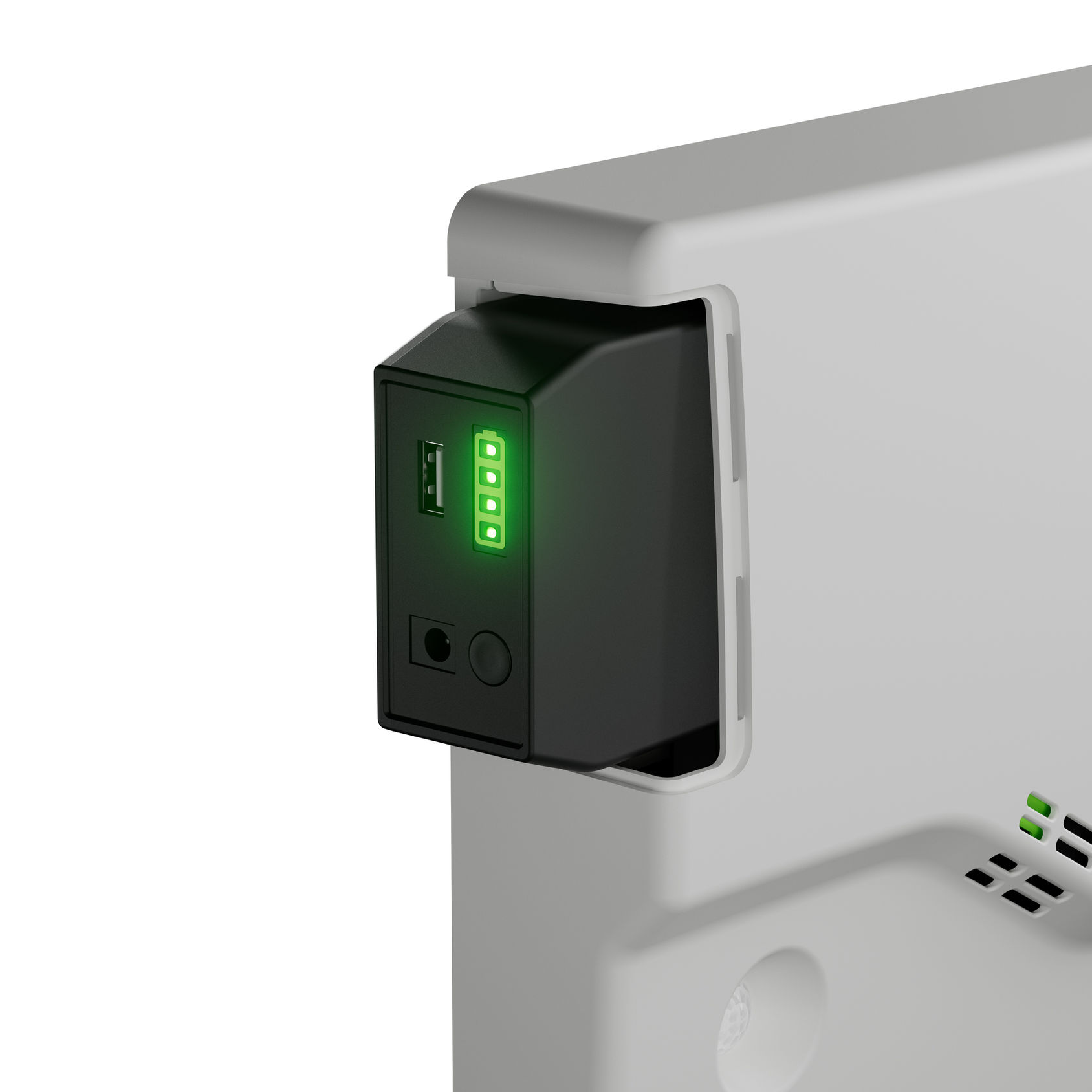
From useful experience, the most efficient layouts for open workplaces treat vape sensing units as part of the more comprehensive indoor air quality and occupational safety strategy. Instead of isolating them as a stand-alone technology, they sit together with portable indoor air quality monitor temperature level, CO2, and VOC monitoring as part of a collaborated sensor network.
Limitations and false positives: managing expectations
Any sensor technology in real buildings has quirks. Vape sensing units are no various, and pretending otherwise guarantees frustration.
Some gadgets react strongly to aerosol products like hair spray, concentrated antiperspirant, or theatrical fog. In a mixed-use structure with occasions, this can imply a vape alarm throughout an item launch despite the fact that nobody is utilizing an electronic cigarette. Great vendors will offer characterization information and tuning assistance for these cases.
HVAC changes can alter detection patterns drastically. Commissioning a new supply diffuser, altering air flow balance, or installing high dividers can shift where plumes travel. A zone that never ever alarmed before might all of a sudden see frequent notifies right away after restoration. When facilities groups comprehend this, they repair area and air flow before presuming "individuals began misbehaving."
Network concerns affect wireless sensor network dependability. If vape detectors count on Wi-Fi or low-power radio to send out alarms, dead spots and disturbance can delay or drop alerts. That matters if your policy depends on live alert to security staff. During pilots, it assists to simulate events and validate routing under various load conditions.
The simplest method to manage expectations is to state clearly: this is a tool to support a vape-free policy, not a perfect all-seeing eye. It will sometimes miss out on genuine occasions and sometimes see incorrect ones. Human judgment remains essential.
Policy integration with HR, security, and facilities
Vape detection touches several stakeholders. When it sits exclusively with facilities or IT, spaces appear.
Human resources typically owns the composed office conduct policies. They need to guarantee the vaping policy is clearly unique from drug test treatments and from medical privacy guidelines. For example, a vape alarm connected to THC detection does not instantly prove legal impairment at work, and treating it like a formal drug test can develop legal direct exposure. HR likewise handles the escalation ladder, from coaching conversations to formal consequences.
Safety and occupational health teams concentrate on risk profiles. They might connect vaping controls to other respiratory risks, ventilation standards, and emergency situation action. In global business, they also track regulatory subtleties, because some regions have specific indoor vaping guidelines while others do not.
Facilities and constructing management handle the hardware: setup, upkeep, calibration, and integration with structure systems such as the smoke alarm, access control, and the main structure management system. They also maintain the indoor air quality index KPIs that many organizations now track.
The organizations that make vape detection work treat it as a cross-functional effort with shared goals: secure employee health, maintain compliance, and keep operations smooth. The innovation is simply one piece because puzzle.
Lessons from schools and student health initiatives
Many vape sensor suppliers initially sold into schools, driven by student health concerns and school safety policies. That experience uses lessons for offices, if you filter carefully.
Schools found rapidly that just installing sensors without clear procedures caused overreactions. A vape alarm in a washroom would set off a search of any trainee close by, with little regard for privacy or proportionality. Moms and dads and civil liberties groups pressed back.
Over time, some districts progressed more nuanced techniques: utilizing trends instead of single occasions, combining sensor data with staff observations, and concentrating on vaping prevention education more than punishment. They also brought students into the discussion about why vape-free zones mattered.
For offices, the huge takeaway has to do with proportional action and communication, not discipline for minors. Staff members are adults. Treating them as suspects every time a vape alarm fires in a large open-plan location produces animosity. Rather, companies can borrow the emphasis on transparent objectives: protecting shared air, minimizing exposure for vulnerable coworkers, and lining up with broader health commitments.
Balancing trust, health, and technology: a useful framework
When leadership groups take a seat to prepare a vape detection technique for an open office, they face several trade-offs. You can not have outright certainty, no personal privacy issues, and absolutely no vaping all at the very same time. Something needs to give.
It often assists to think in 5 questions:
What level of indoor vaping threat are we actually facing today, and how do we know? Which health and safety standards do we wish to meet or surpass, beyond legal minimums? How intrusive are we willing to be in keeping track of air and habits to reach those standards? How will we interact the policy so workers understand both the "why" and the "how"? How will we review and adjust the approach as we learn from real incidents?The responses will be different for a financial trading flooring, a creative company studio, and a manufacturing plant's workplace mezzanine. Yet the reasoning is the exact same: adjust the mix of policy, signage, leadership modeling, and sensor technology to the real risk.
In practice, companies that discover an excellent balance tend to embrace a layered technique: clear vape-free zone guidelines, modest however well-placed vape sensing units incorporated into a broader indoor air quality monitor program, and a predictable, humane action process when alarms occur. None of this is attractive, but it works.
A brief list for carrying out vape detection in open-plan offices
To ground the concepts above, here is a concise series that shows what has operated in genuine tasks:
- Start with an air and habits assessment, including any existing indoor air quality information and casual reports of vaping. Draft a composed vape-free workplace policy that lines up with your existing smoke-free and occupational safety rules, before buying hardware. Pilot vape sensing units in a restricted open-plan zone, tune thresholds, and file how typically alarms associate with genuine events. Communicate freely with staff members about the goals, areas, and abilities of vape detectors, consisting of personal privacy safeguards. Integrate alarm managing throughout HR, safety, and centers, and evaluation patterns regularly to change positioning and responses.
Each action can be easy or advanced depending upon your resources, however avoiding any of them generally shows up later on as confusion or mistrust.
Looking ahead: smarter noticing, exact same core responsibility
Sensor technology is progressing rapidly. Research groups and startups are dealing with more specific nicotine sensor modules, improved THC detection precision, and machine olfaction systems that can distinguish between lots of aerosol sources in complicated indoor environments. Integration with the Internet of things material of a building will only deepen, as air quality information, gain access to logs, and a/c controls talk to each other more seamlessly.
Yet the basic responsibility of companies will not change: safeguard employee health and maintain a safe, fair office. Vape detectors, vape alarms, or any other gizmo do not eliminate management of that task. They are just tools that, used attentively, can help maintain shared norms in the unpleasant truth of open-plan offices.
If you begin with that facility, you are more likely to pick and use these tools carefully. The objective is not to capture people. It is to make the air coworkers share 8 hours a day a little cleaner, the guidelines a little clearer, vape alarm and the working environment more worthwhile of the trust employees place in it.