Conversations about vape detectors in schools tend to polarize rapidly. One side frames them as needed safety tools, the other as symbols of security and skepticism. The truth, in my experience working with districts and school security teams, is more complex and more practical. When utilized well, vape detectors are less about "catching kids" and more about exposing a silent indoor air quality problem that impacts student health and personnel wellbeing.
They needs to not change education, therapy, or relationships. They can, nevertheless, become a useful part of a wider health and school safety strategy if we understand what they can and can not do.
Vaping has actually altered the risk landscape
Traditional smoke from cigarettes is noisy. You can smell it from down the hall, see the cloud, view it wander in front of a smoke detector. Vaping with an electronic cigarette is quieter. Trainees can step into a washroom cubicle, take a quick hit of nicotine or THC, breathe out a fairly faint aerosol, and walk away before any person notices.
From a health viewpoint, that evident subtlety is misleading. The aerosols from vaping include ultrafine particulate matter, unstable organic substances, frequently nicotine, and in many cases THC or other cannabinoids. They might also carry flavoring chemicals and recurring solvents. Public health scientists have linked vaping to:
- Nicotine dependence at younger ages, which is associated with long term cardiovascular and cognitive impacts. Vaping-associated pulmonary injury (typically called EVALI), particularly where THC oils or illegal cartridges are involved. Exacerbation of asthma and other respiratory conditions, specifically in restricted, poorly ventilated spaces.
In schools where vaping has actually ended up being culturally normalized, washrooms can effectively develop into unmonitored direct exposure zones. Students without any interest in vaping walk into a haze, breathe whatever is lingering, and in some cases prevent drinking water all the time simply to skip the toilet. Staff with asthma quietly ask to be appointed away from particular corridors. None of that shows up as a line in the discipline information, but it is very much a student health and employee health problem.
This is the point where many schools start taking a look at vape detectors, often after trying policy updates, moms and dad nights, and posters with limited impact. The main question ends up being: can sensor technology help without turning the structure into something that seems like an airport checkpoint?
What vape detectors actually detect
Modern vape detectors are, under the hood, specialized indoor air quality monitors. They rest on the ceiling or high on a wall, much like a smoke detector, but rather of focusing entirely on combustion products, they look for changes related to aerosol detection.
Different products integrate different sensor types, however the majority of draw from the very same toolbox:
Airborne particulate matter sensors
These use optical techniques to approximate concentrations of great particles (typically PM2.5 or smaller) present in the air. Vape aerosol produces a distinct, sharp spike in particulate levels compared with regular indoor air quality fluctuations. In a typical restroom with no vaping, you may see a low, fairly flat particle baseline. When a group of trainees vapes, readings climb quickly, then decay over numerous minutes as the aerosol distributes or is eliminated by ventilation.
Volatile organic substance sensors
Lots of e-liquids include solvents and flavoring representatives that fall under the broad category of volatile organic compounds. VOC sensing units are less specific however can assist compare "typical washroom activity" and uncommon chemical patterns that line up with electronic cigarette usage, specifically when integrated with particle data.
Nicotine detection or "electronic nose" elements
Some systems include more advanced machine olfaction components. They rely on varieties of chemical sensing units combined with pattern acknowledgment software application to approximate a kind of digital sense of smell. Instead of straight measuring "nicotine" in a lab sense, they find out signatures that correlate with nicotine-containing aerosols under real conditions.
Environmental context sensors
Temperature level, humidity, and in some cases carbon dioxide offer additional context. For example, an abrupt increase in particulate matter in a hot, steamy locker space shower might suggest something various than the exact same spike in a dry, small restroom. Including this context decreases incorrect alarms.
When networked, these gadgets form a little wireless sensor network throughout the building. Data flows over a regional network or through the cloud, where it can incorporate with control panels, notices, and often with access control or structure automation systems.
The best systems use a combination of inputs, not a single "magic sensing unit." That matters since vaping does not look identical from gadget to device. Nicotine salt pods, high power THC cartridges, and non reusable flavored vapes generate different particle size circulations, different VOC profiles, and various determination patterns in the air.
Why standard smoke alarm are not enough
Administrators often ask why their existing smoke detector system can not simply be "tuned" for vaping. For the most part, it can not, a minimum of not without undesirable compromises.
Traditional smoke alarm systems are created to find combustion, not aerosolized liquids. Photoelectric smoke alarm try to find light scattering patterns related to smoke particles from fires. Ionization detectors react to modifications in electrical present produced by combustion products. Both can respond to dense vapor, such as theatrical fog, however they still focus on fire signatures.
If you adjust sensitivity upward enough to capture every restroom vape cloud, you increase the opportunity of incorrect alarms from dust, steam, and benign aerosols. Frequent nuisance fire alarms rapidly deteriorate rely on the system, disrupt knowing, and can put students at threat if people begin to overlook or delay response.
Vape detectors fill the space by dealing with vaping as an indoor air quality and student health event, not a fire danger. That allows them to set off a vape alarm or silent alert without pulling a building-wide fire response.
From enforcement tool to health instrument
Plenty of vendors market vape detectors mostly as a way to "catch" students. That framing rapid THC detection practically guarantees resistance from students, households, and sometimes personnel. A more sustainable approach deals with these devices as part of a more comprehensive wellness and environmental monitoring strategy.
When I deal with schools that have made this shift, a number of things are normally true:
First, they already see vaping as a health problem, not simply a discipline issue. The discussion begins with student health, breathing signs, missed out on class time, and stress and anxiety around washrooms, not with suspension numbers.
Second, they see indoor air quality as part of their responsibility of care. Numerous schools currently utilize some kind of air quality sensor in health clubs, labs, or tech rooms for particulate matter and VOC levels. Extending that frame of mind into areas where students vape is a natural next step.
Third, they have or are building pathways for assistance. Vaping prevention efforts include counseling, cessation assistance, nicotine replacement referrals where suitable, and relationships with local health service providers. When a trainee is recognized through a vape sensor event, the next action is not instantly punitive. Rather, the school has choices: conference with a counselor, inspirational interviewing about dependence, or family engagement.
In that context, vape sensing units become one more environmental signal, like a concerning attendance pattern or repeated check outs to the nurse with inexplicable chest tightness. The information does not identify the reaction by itself, however it notifies professional judgment.
Where sensing units fit inside a detailed program
An extensive student health and vaping prevention technique tends to include several overlapping layers. Vape detectors intersect with many of them, even if they are not the centerpiece.
Policy clarity and messaging
Trainees need to understand where vape-free zones are, why they exist, and how the school will react to violations. Vague language causes selective enforcement and bitterness. Clear, health-based messaging can, gradually, improve standards. When schools introduce vape detectors, they must describe honestly that the objective is to safeguard indoor air quality and lower secondhand aerosol exposure, not to spy on individuals.
Education that surpasses scare tactics
Students are generally less moved by abstract lung images and more by instant truths: shortness of breath throughout sports, nicotine withdrawal that trashes sleep, or financial pressure from consistent refills. Honest conversations about vaping-associated pulmonary injury, especially localized stories or data instead of far-off scary stories, bring more weight. If students understand that bathroom vaping tangibly damages classmates with asthma, they are more likely to respect vape-free zones.
Accessible support for dependence
By the time a student is risking a suspension to vape in between classes, nicotine reliance is often present. Dismissing that as "bad options" misses the medical measurement. Schools partnering with local clinics or public health programs can develop peaceful recommendation pathways so a trainee flagged through a vape alarm has somewhere to go besides detention.
Environmental design
Vape sensing units work best as part of a physical design technique. That can consist of better ventilation in toilets, kept track of but respectful existence in recognized vaping hotspots, and innovative arrangement of alternative spaces where trainees can gather that feel social and safe. Some schools have remodelled at least one restroom to be more open, brighter, and more obviously kept an eye on, which naturally minimizes use as a vaping area even before detectors are installed.
Data-informed choice making
A school might find through vape detector logs that a lot of occasions cluster in one wing, throughout a particular class duration, or on particular days. That sort of temporal and spatial pattern allows targeted interventions: adjusting guidance schedules, using specific group sessions about nicotine, or quietly signing in with students who regular that area. The point is not specific monitoring, however pattern recognition to guide encouraging action.
A brief look at sensor technology trade-offs
Not all vape detectors are equivalent, and not every school requires the most complicated system. The trade-offs normally fixate specificity, integration, and privacy.
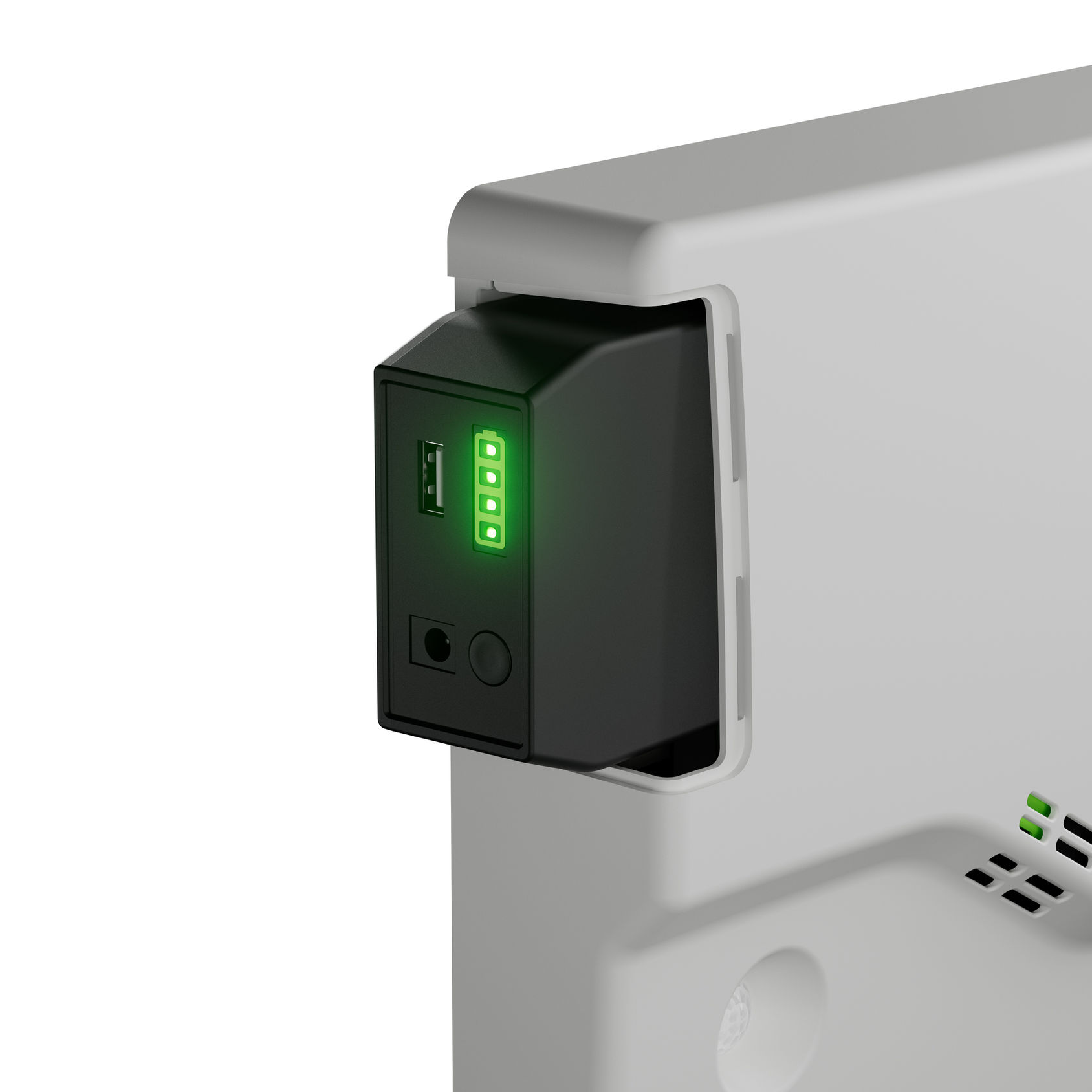
Highly specific nicotine or THC detection attract administrators who want precise proof. However, these systems may require more upkeep, calibration, or consumable sensor aspects. Some approaches to THC detection are, in practice, pattern matching based on vapor profiles instead of a simple chemical assay. That makes them sensitive but not identical to a formal drug test. Communicating that nuance to parents, students, and personnel is important so people do not view a sensing unit alert as irrefutable evidence of drug use.
Systems that function as an integrated indoor air quality monitor, catching particulate matter, VOCs, temperature, and humidity, can serve wider purposes. They can notify ventilation improvements, emphasize where cleaning practices generate a lot of VOCs, or help facilities groups respond to mold or dust issues. These devices frequently fit naturally into the growing Internet of things layer inside contemporary buildings and can share information with existing control panels. The trade-off is that their vape-specific discrimination may be somewhat lower than a gadget tuned specifically for that purpose.
Some suppliers bundle noise sensing or hostility detection. This includes another layer of complexity. While it might help determine fights or bullying in restrooms, it heightens privacy concerns. In numerous districts I have actually worked with, personal privacy groups advised preventing audio features totally, or a minimum of disabling and documenting them plainly, particularly in semi-private spaces.
Privacy, trust, and what sensing units should not do
Students fast to detect whether a security effort feels like protection or surveillance. Vape sensors are especially sensitive due to the fact that they often enter into restrooms and locker spaces, which are already emotionally charged areas for adolescents.
A couple of principles help preserve trust:
Greater transparency beats secrecy. When a school sets up vape detectors however pretends they are "just updated smoke alarm," trainees eventually discover. Reports then take a trip quicker than realities and usually in darker instructions, for instance, "they can hear your conversations" or "they can find every medication you take." A better technique is to describe, plainly, that these are air quality sensing units that identify aerosol patterns from vaping, not cams or microphones.
Location options matter. Setting up vape sensing units straight over urinals or inside stalls is normally unneeded and intrusive. Installing them on ceilings or high walls, focusing on shared air zones rather than specific cubicles, still offers adequate detection through aerosol spread.
Data retention ought to be very little. Keeping detailed, recognizable logs for months or years raises legal and ethical questions. Many schools configure systems so that routine events roll off after a reasonably brief period while major occurrences are documented individually through existing discipline or health reporting channels.
Integration with access control systems is appealing but laden. Technically, one might think of a door that locks or alarms instantly when a vape occasion triggers. In practice, restricting egress in a prospective emergency is a security and liability concern. Most environments select soft combination instead: a notification to personnel, perhaps a timestamp that aligns with existing corridor camera protection, however no automatic lockdown.
Privacy-respecting deployment sends a signal that the school worths both health and dignity. It is one reason why including students in the planning conversation, listening to their issues, and modifying the plan where suitable tends to pay off. When trainees feel the system is mostly attempting to safeguard vulnerable classmates from involuntary exposure, they are far more most likely to tolerate and even support it.
Implementation: getting the fundamentals right
Installing vape detectors is not just a facilities task. It needs positioning among IT, health services, administrators, and often legal or personal privacy officers. A practical sequence numerous schools follow looks like this:
- Start with a clear, written purpose statement rooted in student health and indoor air quality, not just discipline or law enforcement. Map physical hotspots and traffic patterns so devices are put where aerosols really accumulate, rather than equally spaced as if for fire code compliance. Decide in advance how notifies will be handled, who receives them, and what the preliminary reaction must be, consisting of non-punitive options. Pilot in a minimal area, then examine not just the number of detections however also trainee feedback, staff workload, and any false alarm patterns. Adjust policies, communication, or sensing unit settings before scaling up, rather than locking in a stiff model on day one.
That sequence sounds straightforward on paper, but it frequently uncovers misaligned expectations. For example, one assistant principal may presume that every alert results in a search and suspension, while the school nurse sees it as a push to keep track of specific students for vaping-associated pulmonary injury signs. Surfacing those distinctions early prevents irregular practice that students rapidly notice.
False positives, incorrect negatives, and sensible expectations
No sensor system is best. Vape detectors are no exception. Understanding their restrictions avoids both overconfidence and unnecessary frustration.
False positives frequently originate from aerosols that resemble vape clouds in their physical characteristics. Hair spray, heavy deodorant sprays, cleaning products, or theatrical fog from a drama club production can journey sensing units, specifically if utilized in a small, unventilated space. Over months, patterns normally emerge, and technical teams can adjust sensitivity or time windows to identify routine sanitation after school from a mid-morning vaping event.
False negatives are less visible but equally important. Trainees quickly adapt. They may try to breathe out into sleeves, flush the toilet while exhaling to develop turbulence, or vape in stairwells simply beyond protection areas. Some low output gadgets produce smaller, more scattered plumes that are harder to identify dependably at a distance.
The purpose of a vape detector network is not to guarantee that no vaping ever goes undiscovered. Instead, it is to substantially raise the probability that duplicated, casual vaping in shared indoor areas triggers some form of response. That shift in possibility alters the behavioral formula. For numerous students whose use is more about benefit and social pressure than deep reliance, increased detection threat in restrooms presses their habits outside school premises, which at least decreases uncontrolled direct exposure for peers.
How this extends beyond schools
Although the focus here is student health, the very same core innovation appears in other contexts: universities, office complex, healthcare centers, and even commercial work environments. In those settings, the framing leans more toward occupational safety and office safety.
A workplace tower may install vape sensors mostly to keep a smoke-free policy feasible in washrooms and stairwells, protecting both employee health and the integrity of the emergency alarm system. A medical facility or rehab center might utilize vape detection in client bathrooms to secure vulnerable populations or to comply with guidelines where oxygen use makes ignition threats greater, even from devices people assume are "just vapor."
In these environments, vape detectors in some cases tie into broader environmental tracking systems that track air quality index metrics inside, not just outside pollution. Facilities groups can see at a look where particulate matter runs higher, whether from vaping, dust from maintenance work, or extreme VOCs from cleansing. Gradually, that information guides much better ventilation, item options, and cleaning schedules, all of which benefit both personnel and visitors.
At the same time, the very same privacy concerns appear, particularly where sensors might be viewed as tools for discipline or for keeping track of off-label substance use, such as THC detection. Companies who include staff committees, are transparent about abilities and limitations, and set clear, health-oriented borders tend to see less grievances and more cooperation.
THC, discipline, and the line between detection and diagnosis
Many schools ask specifically about THC detection: can these sensors separate nicotine from marijuana? The truthful response is "sometimes, with cautions."
Some vape sensor systems claim to compare nicotine and THC cartridges by analyzing aerosol signatures. In regulated conditions, that may work reasonably well. In the unpleasant truth of restrooms with several overlapping odors, changing ventilation, and hybrid gadgets, results can be less clear.
Crucially, a THC-positive sensor alert is not equivalent to a laboratory drug test. It suggests that, statistically, the aerosol profile looked like patterns associated with THC vaping. It does not reveal who vaped, how much, or whether the gadget was legal or illicit. Dealing with sensing unit output as conclusive forensic proof welcomes legal and ethical problems.
Schools that browse this much better position sensing unit signals as one information point. If a THC-leaning alert coincides with personnel observations, physical proof such as a cartridge, or a student's own admission, it brings more weight. If it appears in isolation, a more measured action makes good sense. That might mean closer monitoring of the area, or a discreet discussion rather than instant harsh sanctions.
Framing matters. If trainees view vape sensors as a tool to help keep shared spaces much safer and to link peers with assistance before reliance deepens, they are more likely to accept nuance and even volunteer info when they are stressed over a friend.
When sensors begin measuring more than vaping
A subtle however growing shift is the integration of vape detection into bigger indoor air quality techniques. Once a structure has a network of gadgets that constantly keep an eye on particulate matter, VOCs, and environmental conditions, it ends up being possible to ask broader questions.
Are there class where particle levels are consistently greater, maybe due to nearby building and construction or bad filtration?
Do cleansing routines trigger frequent VOC spikes that might be lowered by switching products or changing timing?
Is the ventilation in toilets sufficient, as shown by how rapidly aerosol events decay?
In this more comprehensive frame, vape detection becomes part of a motion towards much healthier buildings. Student health then benefits not only from minimized direct exposure to vaping aerosols however also from cleaner air normally. Educators breathe less irritants, custodial personnel experience less peaks in chemical direct exposure, and centers teams have concrete data to justify heating and cooling upgrades or changes in practices.
This is likewise where the Internet of things element becomes meaningful rather than fashionable. Gadgets that just yell "Vape identified!" into an app are much less helpful than sensors whose data incorporates with existing structure management systems, IT security frameworks, and health reporting channels. Appropriately managed, that combination can keep alerts from ending up being sound and instead turn them into actionable, context-aware information.
Bringing it back to trainee wellbeing
It is easy to get absorbed in the hardware details, from nicotine sensor drift rates to the finer points of machine olfaction. Those details matter to facilities and IT groups. For students, what matters is more immediate: whether they feel safe and respected in their own structure, whether they can use the restroom without inhaling clouds of another person's choices, and whether adults respond to problems with assistance or only with punishment.
When vape detectors are treated as a stand-alone option, they quickly disappoint. Vaping moves to other corners. Trainees get more secretive. Staff stress out chasing after informs. From the outside, it can appear like innovation has failed.
When they are woven into a broader material of clear policy, encouraging interventions, thoughtful usage of indoor air quality data, and authentic engagement with trainee voices, vape detectors end up being something different. They become one more tool in a school's effort to produce areas where breathing deeply is not a threat, where wellness programs have teeth because they are backed by genuine ecological modifications, and where security technology serves human relationships instead of eroding them.
That is not a switch you can flip with new hardware. It is a deliberate, continuous choice about how to utilize the details a vape sensor supplies, and what story the school picks to outline why it is there in the first place.